Area Guide
Miami homes for sale — what buyers should know
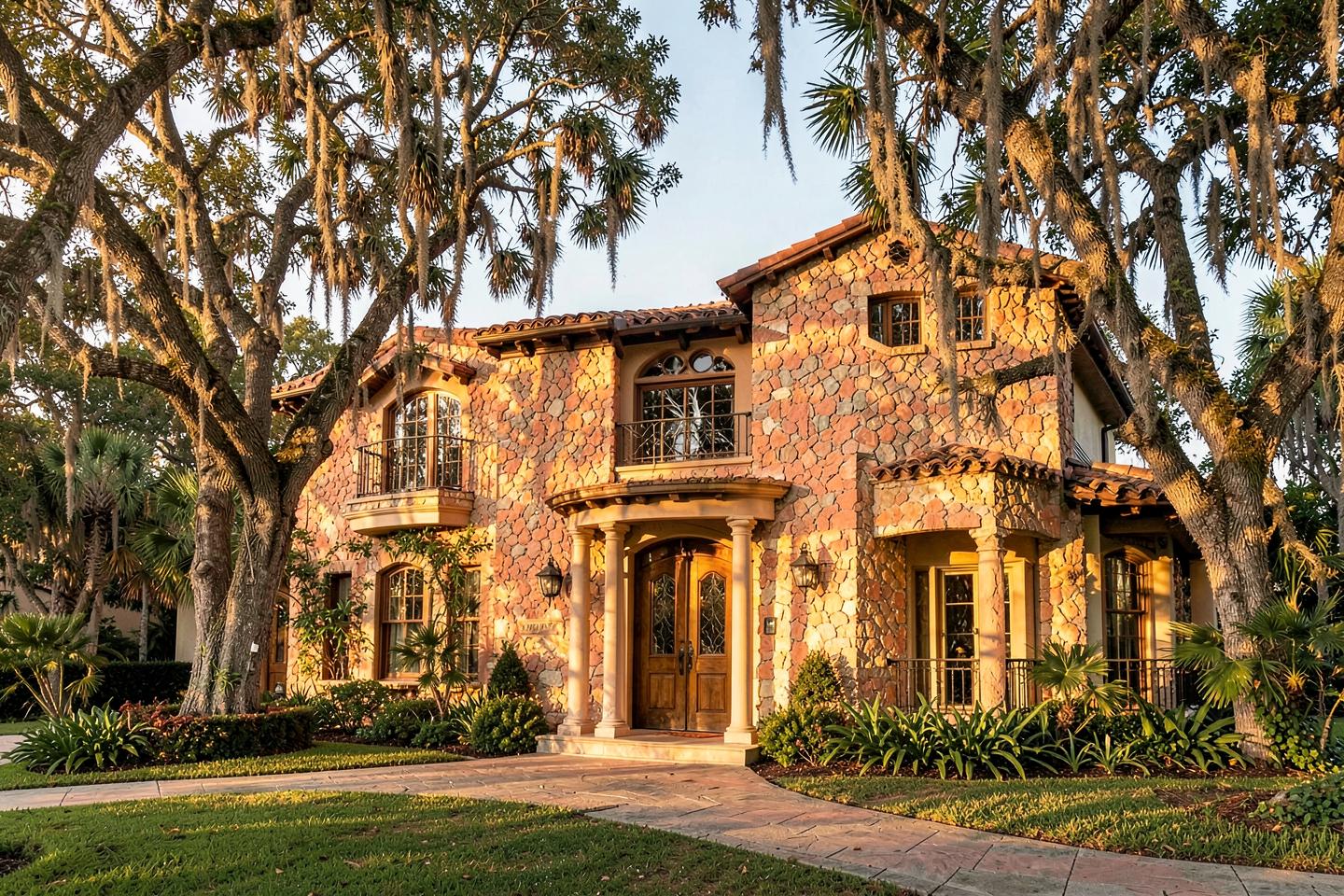
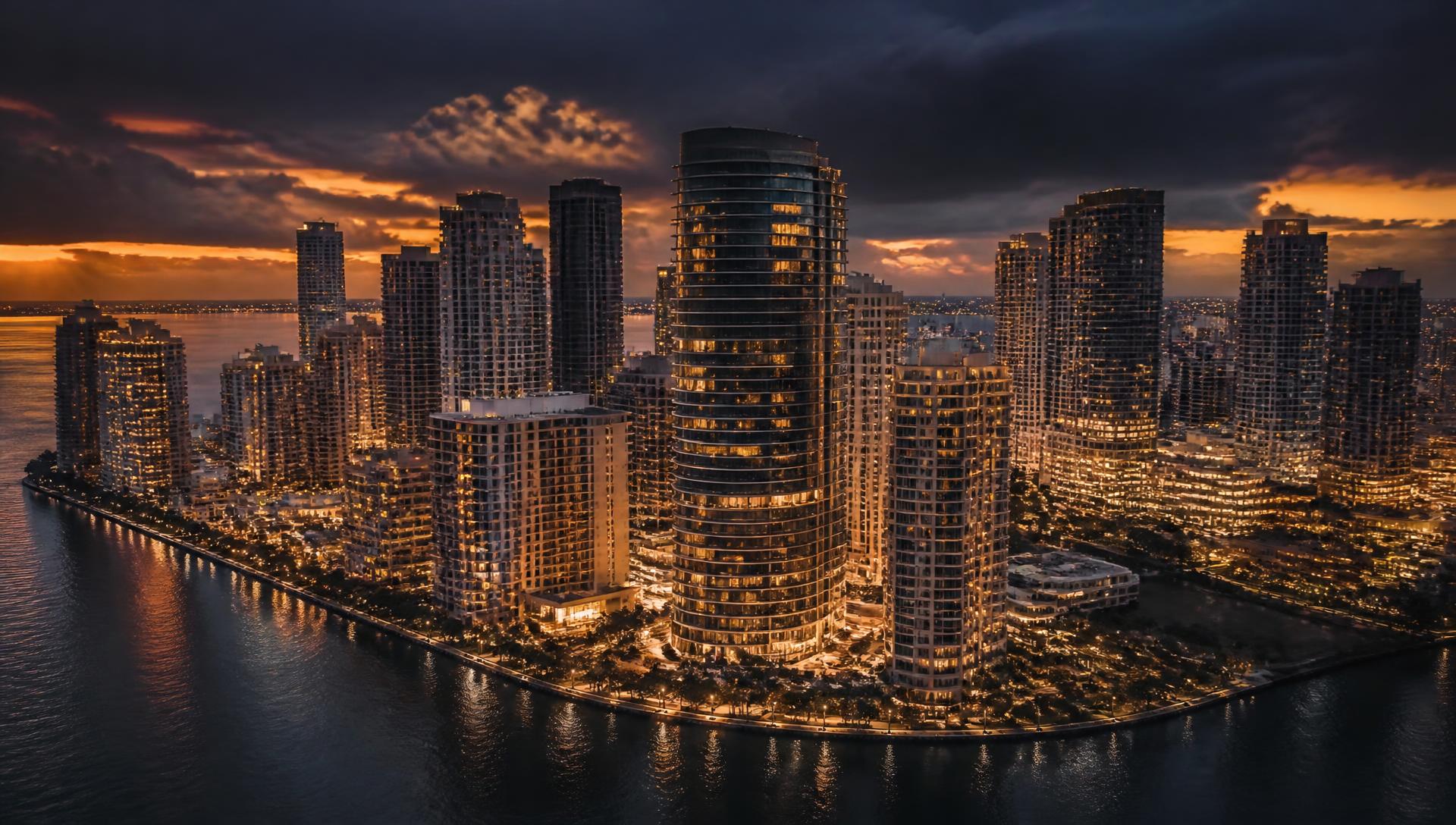
Living in Miami means choosing between a dozen distinct markets that share one postal identity. Brickell functions as the financial spine, stacked with glass towers where a two-bedroom trades on view corridor and building amenity package as much as square footage. West of the water, historic neighborhoods like Shenandoah and The Roads hold 1920s Mediterranean revival homes on oak-lined streets, and those blocks have quietly become some of the most competitive inventory in the county because the supply is fixed.
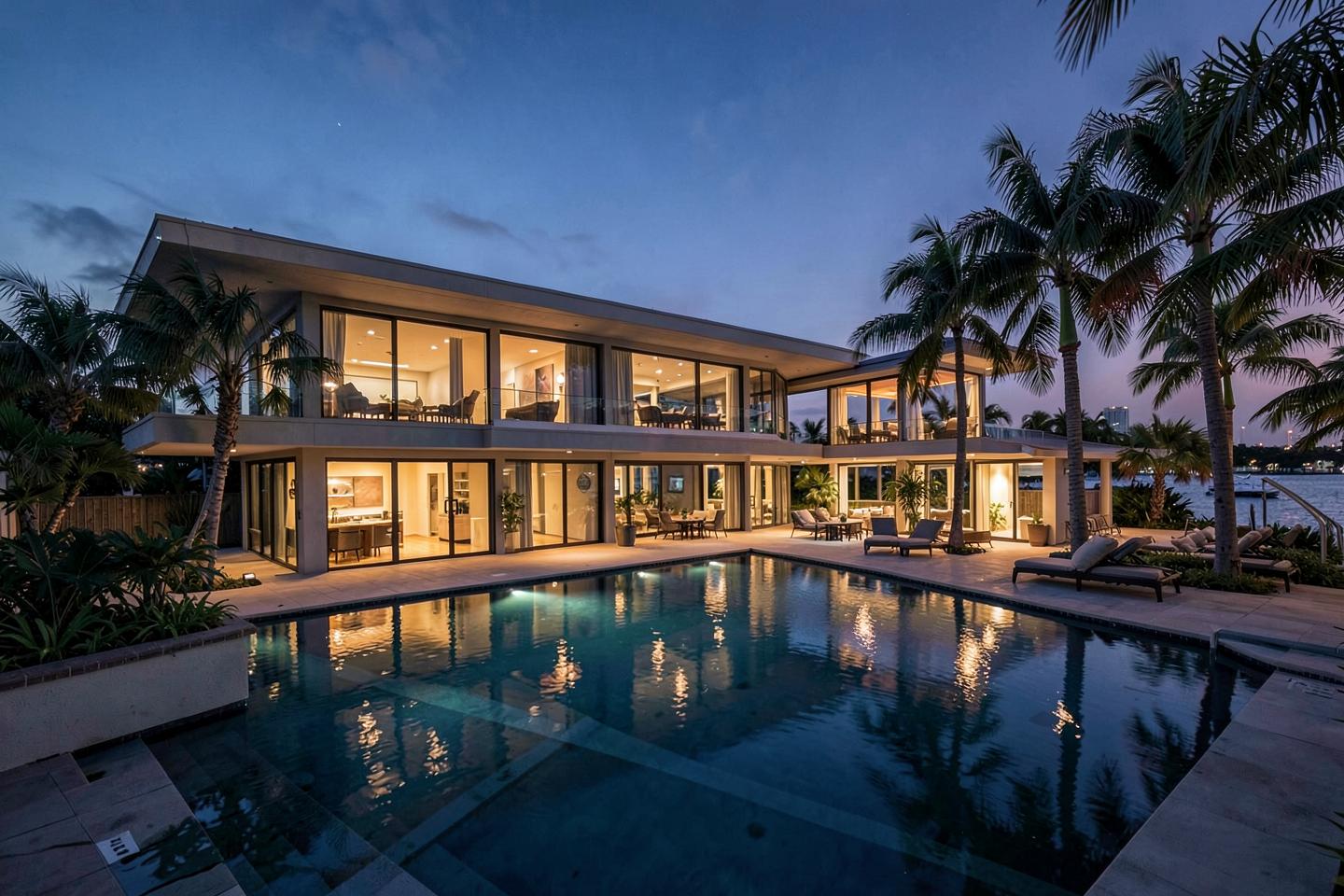
Price range is genuinely wide. Entry condominiums in the urban core begin in the mid-$400s, well-positioned single-family homes run $900,000 to $2.5 million, and bayfront estates clear eight figures. The buyer pool is global — Latin American capital, Northeast relocation, and a steady flow of finance and technology firms opening Miami offices — which keeps well-priced product moving even in slower quarters.
Practically, Miami rewards buyers who understand micro-geography. Flood zone, building age, 40-year recertification status on condominiums, and assessment history matter more here than in almost any other American market. Walkability is excellent in Brickell and Downtown, moderate elsewhere; Metromover and Brightline have made a car-light life realistic in the core for the first time. Public and private school options vary block to block, so families typically anchor their search around a specific school before they consider a specific house.
Miami suits buyers who want liquidity in their asset. It is the deepest, most internationally traded residential market in the Southeast, which means a correctly priced home sells and a poorly positioned one sits. That is where representation earns its fee.