Area Guide
Downtown Miami homes for sale — what buyers should know
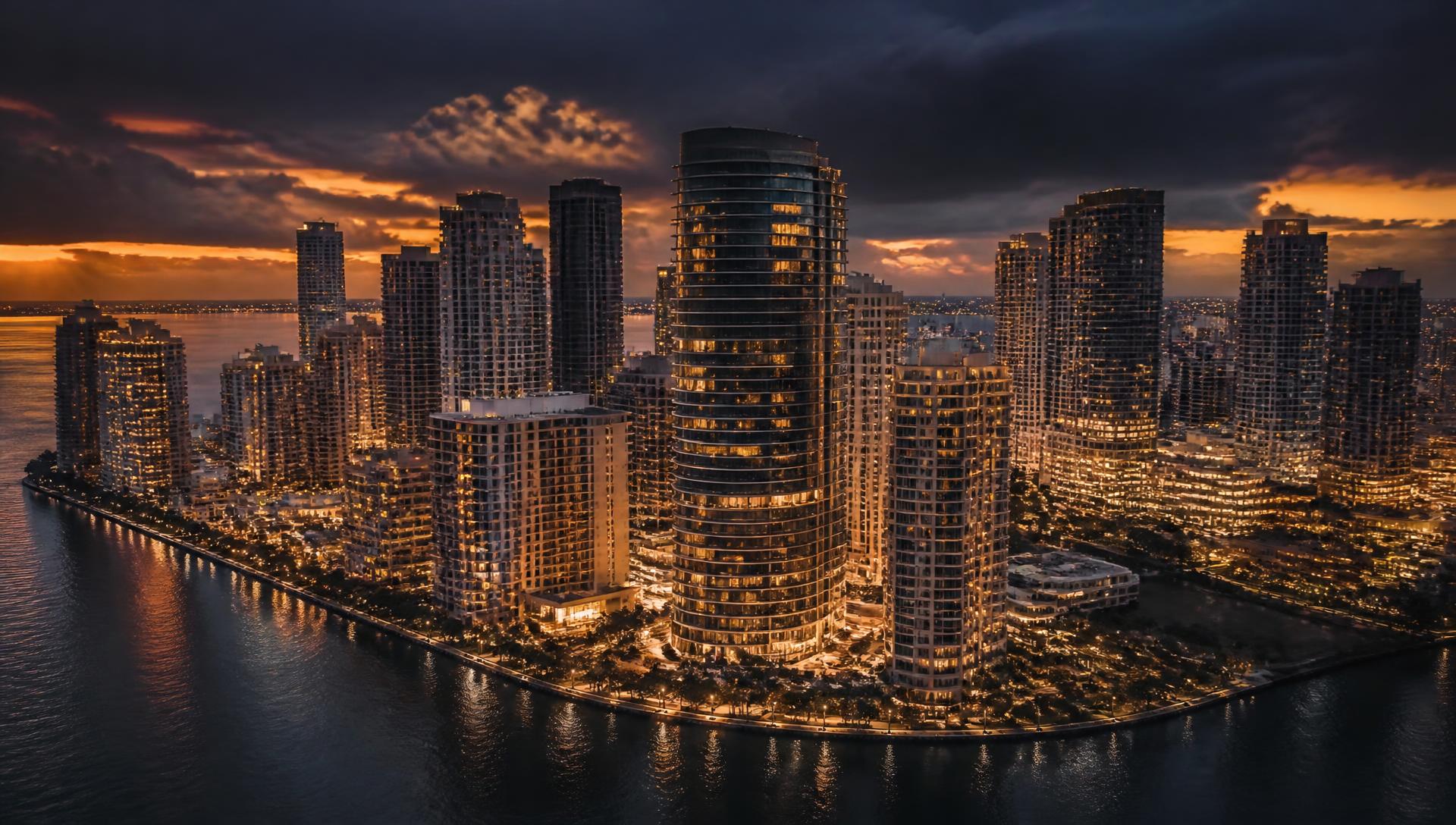
Downtown Miami has changed character in the last decade. Brightline's Miami Central station connects to Fort Lauderdale, West Palm Beach, and Orlando; the free Metromover loop makes the core genuinely car-optional; and residential occupancy has climbed as employers moved in. It is the closest thing South Florida has to a walk-everywhere district with real transit.
Condominium pricing is the most attainable of any waterfront-adjacent Miami submarket. Studios and one-bedrooms trade from the high $300s, two-bedrooms with bay views from $650,000 to $1.2 million, and newer luxury towers along Biscayne Boulevard from $1.5 million up. Rental demand is strong and consistent, which sustains investor participation.
The lifestyle case is cultural density: Pérez Art Museum, the Frost Science Museum, the Adrienne Arsht Center, Kaseya Center, and Bayfront Park sit within a few blocks of each other. Restaurant quality has improved sharply, though grocery and daily-needs retail still lags behind Brickell.
This suits young professionals, buyers commuting north on Brightline, and investors seeking cash flow with liquidity. As always in Miami condominium buying, the building's financial health matters more than the unit's finishes — reserves, assessments, and litigation history come first.